

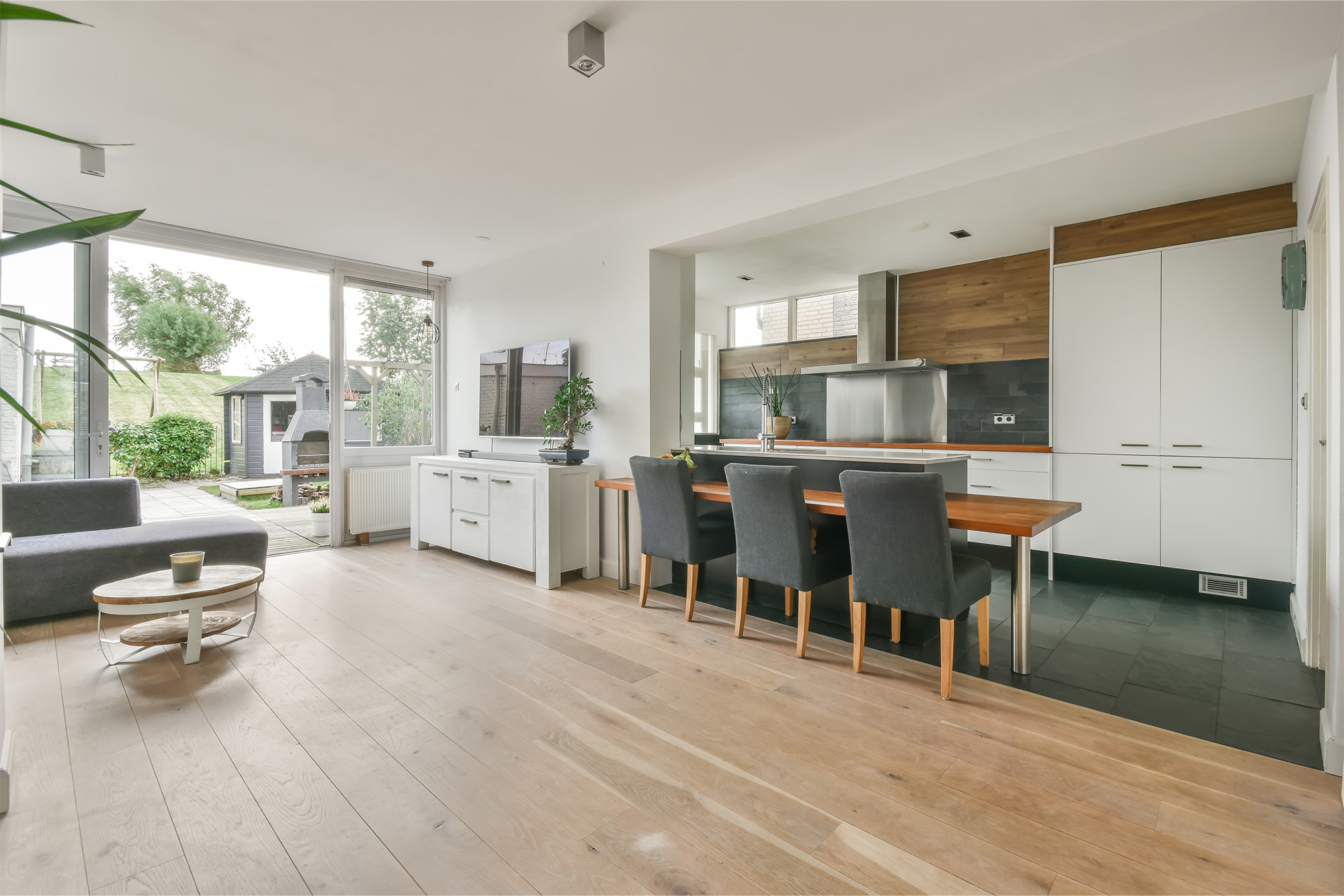
Selecting new flooring is one of the most significant investments you can make in your property. In the Mid-Atlantic region, where we experience the full breadth of the four seasons—from humid summers to dry, snowy winters—choosing the right hardwood is about more than just aesthetics; it is about engineering and longevity. At Showcase of Floors, we have spent over 40 years helping Pasadena residents navigate these choices. This guide explores everything you need to know to make an informed decision.
Understanding the Structural Difference: Solid vs. Engineered
The first fork in the road for any homeowner is deciding between solid and engineered hardwood.
Solid Hardwood is the traditional choice, milled from a single piece of timber. It is usually ¾ of an inch thick and can be sanded and refinished multiple times over its 100-year lifespan. However, because wood is a natural, porous material, solid planks react significantly to moisture. In Maryland’s humid summers, solid wood expands; in the dry winters, it contracts. This can lead to "cupping" or gaps between boards if the home's humidity isn't strictly controlled.
Engineered Hardwood was designed to solve this problem. It consists of a top layer of real hardwood (the wear layer) bonded over multiple layers of cross-grain plywood. This cross-grain construction creates a structural "grid" that resists expanding and contracting. This makes engineered wood the superior choice for basements, homes with radiant heating, or rooms where humidity fluctuates.
Species Selection and the Janka Hardness Scale
Not all wood is created equal when it comes to durability. The Janka Hardness Scale measures the resistance of a sample of wood to denting and wear.
Red Oak (1290): The industry standard. It has a strong grain that hides scratches well.
White Oak (1360): Slightly harder than Red Oak with more modern, grey/tan undertones and better water resistance.
Hickory (1820): Extremely hard and durable, perfect for high-traffic homes with large pets, though its bold grain can be "busy" in smaller rooms.
American Walnut (1010): A softer wood, but prized for its deep, chocolatey tones and prestige.
When you visit our About Us page, you’ll see that our decades of experience have taught us which species thrive in local Maryland climates and which might require more maintenance than a busy family can provide.
The Role of Finishes and Textures
The finish is what protects your wood from the daily rigors of life.
Site-Finished: The wood is installed raw and سپس sanded and stained in your home. This provides a perfectly smooth, furniture-like finish but involves dust and odors during the process.
Pre-Finished: The planks are finished in a factory with powerful UV-cured topcoats (often containing aluminum oxide for scratch resistance). This is faster to install and generally more durable.
Texture is also a major design consideration. Wire-brushed floors have the soft grain pulled out, leaving a textured surface that is incredibly forgiving for pet owners. Hand-scraped floors offer a rustic, old-world charm that masks dents and dings as "added character."
Long-Term Maintenance and Care
To keep your hardwood looking new, you must maintain a consistent indoor environment. We recommend keeping your home's humidity between 35% and 55%. Use only manufacturer-approved cleaners—never use steam mops or oil soaps, as these can dull the finish or damage the wood fibers over time.
Whether you are looking for the classic charm of solid oak or the modern versatility of engineered planks, our team is here to guide you through every technical specification. To see our full range of samples and speak with a specialist, visit our Location in Pasadena today and let’s start your home transformation with a free consultation and estimate.


